
Shared contentThe Güral Premier collection

GÜRAL PREMIER HOTELS & RESORTS

Cultural Heritage

TEMPLE OF APOLLO

01 · ANTALYA

TEMPLE OF APOLLO

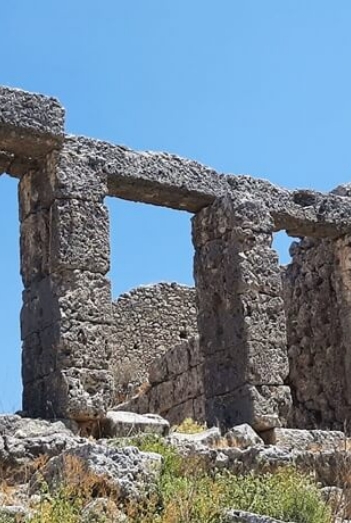
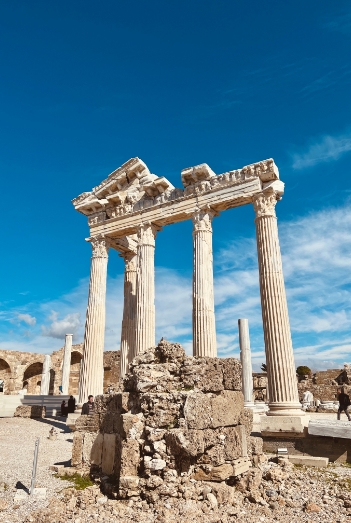
Among the historical remains of Side, the natural harbour of ancient Pamphylia, the Temple of Apollo and the Temple of Athena have always held a special place. You should see these two buildings, which were among the region’s most important temples when they were built.
Further information · muze.gov.tr

MANAVGAT WATERFALL

02 · ANTALYA

MANAVGAT WATERFALL

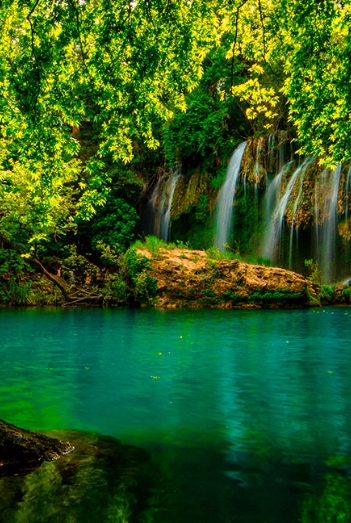
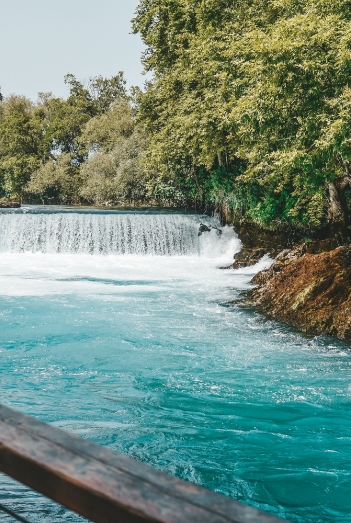
The waterfall on the Manavgat River is a wonderful place to cool down in the oppressive heat. An ideal route for those who enjoy being close to nature, Manavgat Waterfall offers the opportunity to go rafting or try delicious food in the restaurants around the waterfall.

Further information · muze.gov.tr

HIDIRLIK TOWER

03 · ANTALYA

HIDIRLIK TOWER

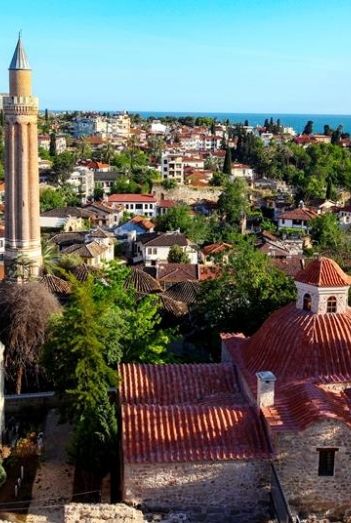
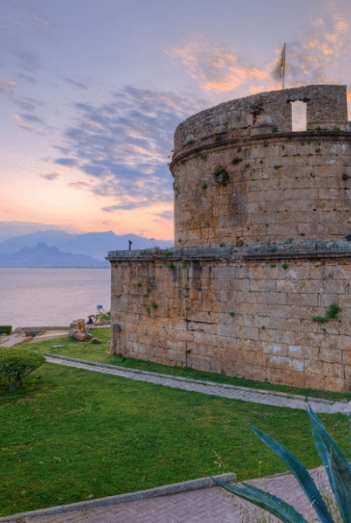
This cylindrical tower on the walls of Kaleiçi, in Karaalioğlu Park, was built in the 2nd century and is 14 metres high. The two-storey tower is thought to have been built for both communication and defence. There are also views that it served as a lighthouse or watchtower.

Further information · muze.gov.tr

ASPENDOS THEATRE

04 · ANTALYA

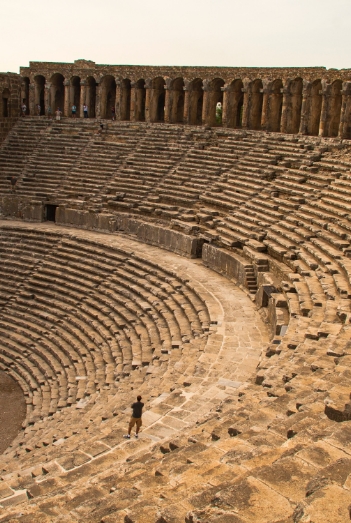
ASPENDOS THEATRE

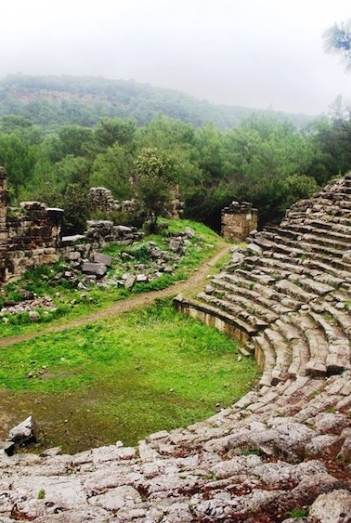
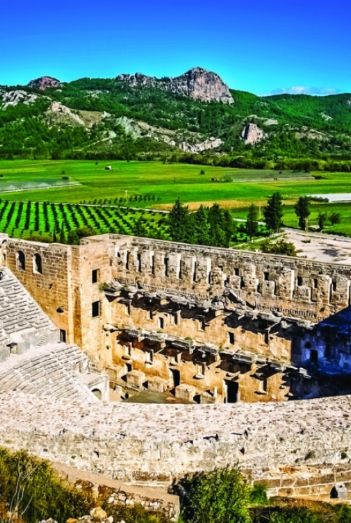
Aspendos, in the district of Serik, has one of the best-preserved surviving Roman theatres. Built in the 2nd century BC and enormous compared with other examples from antiquity, Aspendos Theatre can accommodate 15,000 spectators. One of the first places many visitors from Türkiye and abroad wish to see in Antalya, it also hosts various festivals every year.

Further information · muze.gov.tr

KEKOVA

05 · ANTALYA

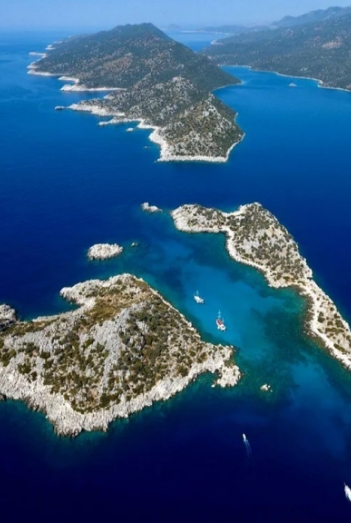
KEKOVA

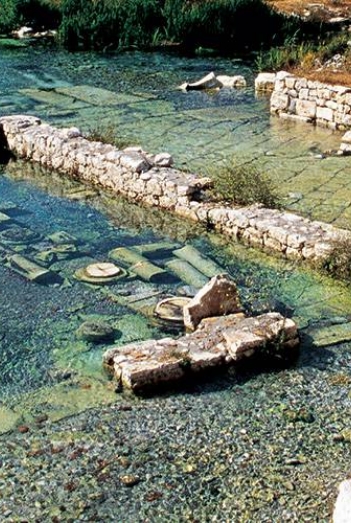
Kekova is an island 500 metres wide, opposite the villages of Üçağız and Kale near Antalya’s Demre district. The archaeological and natural conservation areas of the island and its surroundings, which have become increasingly popular recently, have been protected through the establishment of the Kekova Conservation Area. With the submerged remains of the ancient city of Dolkisthe, destroyed by earthquakes in the 2nd century AD, Kekova is a paradise of nature and tranquillity.

Further information · muze.gov.tr

HADRIAN’S GATE

06 · ANTALYA

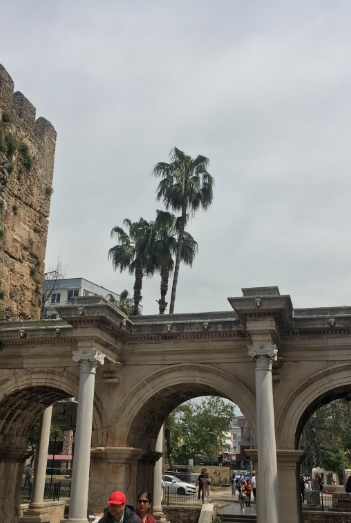
HADRIAN’S GATE

The Three Gates, or Hadrian’s Gate, was built in the year 130 to honour the Roman Emperor Hadrian’s visit to the city. Built into the city walls, it is the entrance gate to old Antalya. It now stands on Atatürk Avenue and is one of the city’s landmarks.

Further information · muze.gov.tr

ANCIENT CITY OF PERGE

07 · ANTALYA

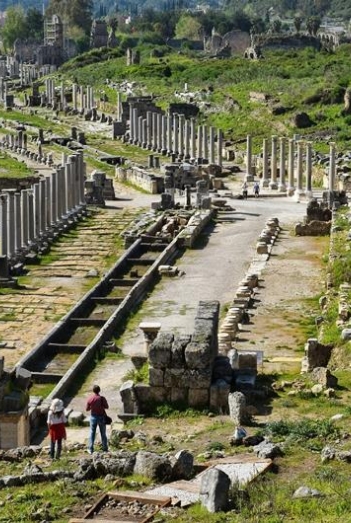
ANCIENT CITY OF PERGE

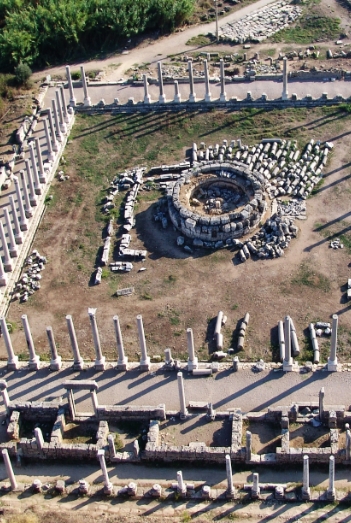
Within the boundaries of the Aksu district, the ancient city of Perge was renowned in the Hellenistic period as the richest and most beautiful city in the world. The ancient Pamphylia region, of which it was the capital, contains many prehistoric caves, including Karain Cave, Öküzini Cave and the Beldibi rock shelters, as well as settlements. The city’s acropolis is thought to have been founded in the Bronze Age.

Further information · muze.gov.tr

ANCIENT CITY OF SILLYON

08 · ANTALYA

ANCIENT CITY OF SILLYON

The ancient city of Sillyon is among the historical treasures to be seen in and around Belek, where historical and natural beauty is carefully protected. Located between Perge and Aspendos, the city is 15 kilometres from the district of Serik. One of the richest cities of antiquity, Sillyon is thought to have been founded after the Trojan War, like other cities of Pamphylia.

Further information · muze.gov.tr

KURŞUNLU WATERFALL AND NATURE PARK

09 · ANTALYA

KURŞUNLU WATERFALL AND NATURE PARK

Kurşunlu Waterfall and Nature Park is one of the foremost natural wonders to see in Belek. Falling from a height of approximately 18 metres, the waterfall offers refreshing coolness and inspiring views. Linking seven separate small ponds, it lies within a canyon two kilometres long.

Further information · muze.gov.tr

DÜDEN WATERFALL

10 · ANTALYA

DÜDEN WATERFALL

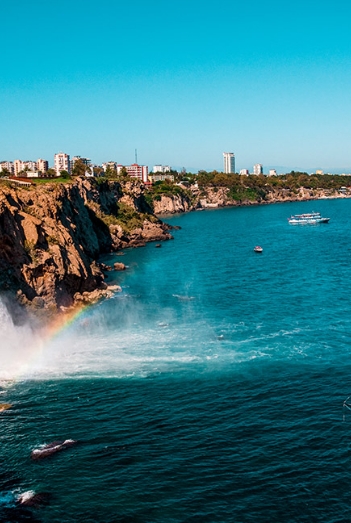
Düden Waterfall, one of Antalya’s natural wonders, takes its water from the Kepez Hydroelectric Power Plant. Dividing into two branches, Lower Düden and Upper Düden, the waterfalls fascinate visitors with the sight of water falling from a height of 40 metres.

Further information · muze.gov.tr

ANCIENT CITY OF PHASELIS

11 · ANTALYA

ANCIENT CITY OF PHASELIS

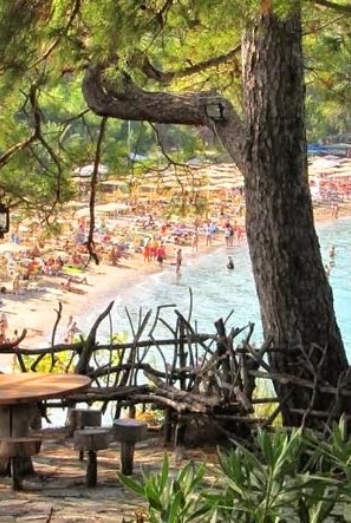
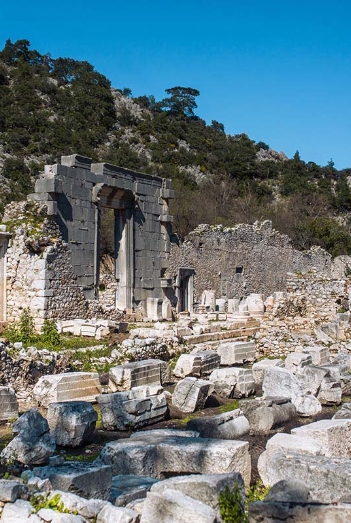
Set among fragrant pine and cedar forests, Phaselis stands out for its historical character as well as its beach and picnic areas. The city, 15 kilometres from Kemer, can also be reached by sea. Only part of the Hellenistic walls in the southwest of the city, founded by the Rhodians in the 7th century BC, survives today. A broad avenue runs through the middle of the city, with Hadrian’s Waterway Gate at its southern end. Along the avenue are shops where you can spend pleasant time and public buildings such as baths, a theatre and an agora, thought to date back to the 1st century BC.

Further information · muze.gov.tr

YÖRÜK PARK

12 · ANTALYA

YÖRÜK PARK

Although the Yörük people, who now live particularly in the Taurus Mountains, have gradually adopted a settled life, they continue their traditions and customs. Using dyes obtained from plant roots, they maintain their traditions of carefully crafted kilims, tents, fairs, mats, saddlebags and carpets. They also display their customs at the agricultural and greenhouse festivals held in Antalya’s Kumluca district and in Fethiye.

Further information · muze.gov.tr

ANCIENT CITY OF OLYMPOS

13 · ANTALYA

ANCIENT CITY OF OLYMPOS

Olympos, the second important port city in its region after Phaselis, lies within the boundaries of the Kumluca district. With a long history reaching back to the Hellenistic period and traces of many civilisations, the city is famous for its loggerhead turtles. Founded in the 2nd century BC, the ancient city stands out for its striking nature, which merges with its 3,200-metre shoreline.

Further information · muze.gov.tr

MOUNT TAHTALI

14 · ANTALYA

MOUNT TAHTALI

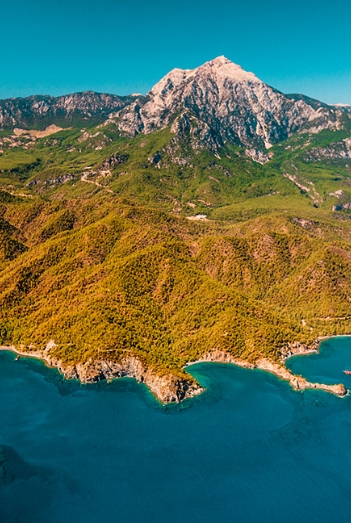
Mount Tahtalı, southwest of Kemer, lies within Olympos Beydağları National Park. At 2,365 metres, it is the highest point close to the sea in this area. One of the first stops for visitors to Kemer, Mount Tahtalı can be reached by cable car from Olympos.

Further information · muze.gov.tr

KESMEBOĞAZI CANYON

15 · ANTALYA

KESMEBOĞAZI CANYON

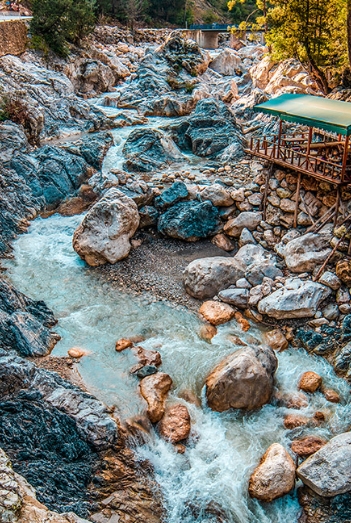
Kesmeboğazı Canyon, within Beydağları National Park, is only five kilometres from Kemer. At the meeting point of three streams, the canyon stands out for its relaxing atmosphere and impressive views, and is also home to an old Roman bridge. Endemic plants such as Olympos saffron and the Kemer orchid grow in the canyon, which can be reached by car from central Kemer in approximately 20 minutes.

Further information · muze.gov.tr

ADRASAN

16 · ANTALYA

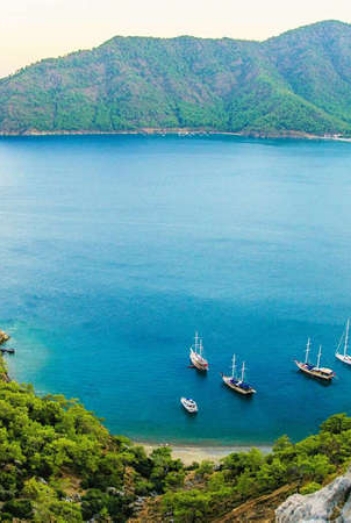
ADRASAN

With its two-kilometre sandy beach and deep blue sea, Adrasan Beach should be among the first places for those wishing to spend a day by the sea, and provides an ideal setting for diving enthusiasts visiting Kemer. Its enchanting nature, peaceful atmosphere, conditions suitable for water sports and naturally sheltered harbour, which makes it a popular stop on blue cruises, turn Adrasan into a true attraction. Those who enjoy walking in nature can reach Gelidonya Lighthouse by walking towards the right-hand shore of Adrasan Bay.

Further information · muze.gov.tr

ANCIENT CITY OF SIDE

17 · ANTALYA

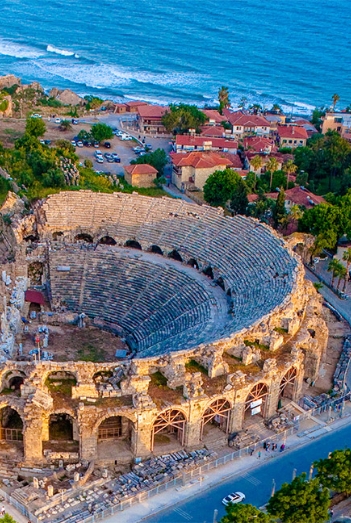
ANCIENT CITY OF SIDE

Side, the most important port city of Pamphylia, has a history dating to the 8th century BC. Having hosted many civilisations, from the Lydians and Persians to Alexander the Great and the Romans, it retains traces of all of them. At the ancient city of Side, you can witness the grandeur of one of Anatolia’s largest ancient theatres.

Further information · muze.gov.tr

KALEİÇİ

18 · ANTALYA

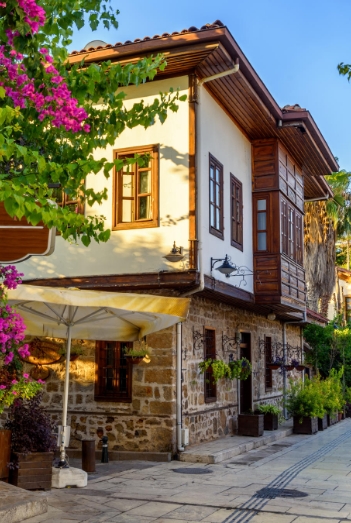
KALEİÇİ

If you begin exploring Antalya from its centre, Kaleiçi should be the first place you see. One of Antalya’s important historical districts with remains from antiquity, Kaleiçi carries a history that has survived from the Hellenistic, Roman, Byzantine, Seljuk and Ottoman periods to the present day.

Further information · muze.gov.tr

KARAIN CAVE

19 · ANTALYA

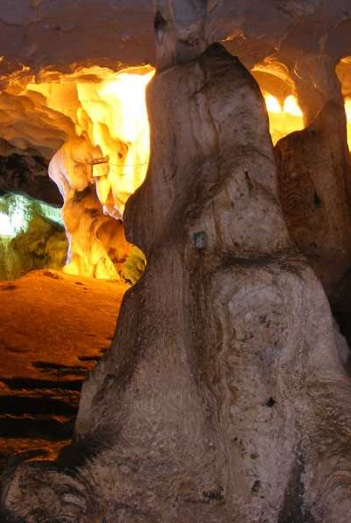
KARAIN CAVE

Karain Cave, among Türkiye’s largest natural caves, has lower, middle and upper layers and bears traces of many civilisations and periods, unlike caves that represent only a single period. Shedding light on 500,000 years ago, the area is 27 kilometres from Antalya.

Further information · muze.gov.tr

ANCIENT CITY OF PATARA

20 · ANTALYA

ANCIENT CITY OF PATARA

The ancient city of Patara, near Kalkan in the Kaş district, is the capital of the Lycian League. Among the oldest cities of Lycia, Patara is important for its archaeological and historical value and for being one of the rare beaches where loggerhead turtles lay their eggs.

Further information · muze.gov.tr

ALANYA CASTLE

21 · ANTALYA

ALANYA CASTLE

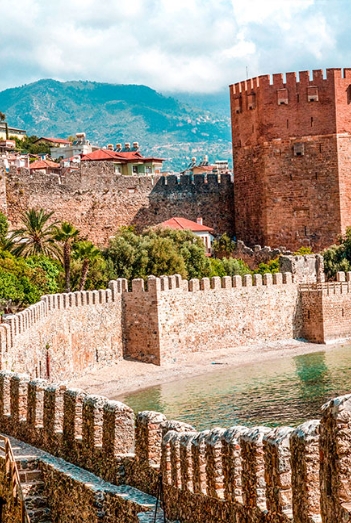
Well preserved thanks to its hard-to-reach, sheltered position, this structure has existed since the Hellenistic period. It is an open-air museum that has hosted Roman, Byzantine, Seljuk and Ottoman civilisations.

Further information · muze.gov.tr

ST NICHOLAS MEMORIAL MUSEUM

22 · ANTALYA

ST NICHOLAS MEMORIAL MUSEUM

Saint Nicholas, also known as Father Christmas, was born in Patara and died in Myra, where he served as bishop. He awaits visitors in the tomb church built in his name. This is believed to be the place where Father Christmas entered his eternal sleep.

Further information · muze.gov.tr

MYRA ARCHAEOLOGICAL SITE

23 · ANTALYA

MYRA ARCHAEOLOGICAL SITE

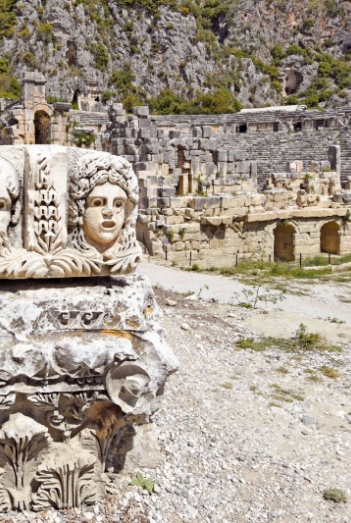
The story of Myra, once the capital of Lycian civilisation, begins with its relief-decorated tombs and reaches the sea through the port of Andriake. It is also known as the place where the goddess Cybele became Artemis.

Further information · muze.gov.tr

ARYKANDA ARCHAEOLOGICAL SITE

24 · ANTALYA

ARYKANDA ARCHAEOLOGICAL SITE

The city lies south of the Bey Mountains, at the foot of a steep rocky outcrop called Şahinkaya, which bounds the settlement to the north like a wall. Because of this location, its name, meaning ‘Arykawanda: the place beside the high rock’ in Luwian, gradually became Arykanda. Arykanda was first identified in 1838 by the British researcher and traveller Charles Fellows, on the basis of tomb inscriptions and coins he found on the surface.

Further information · muze.gov.tr

MEVLEVIHANE MUSEUM

25 · ANTALYA

MEVLEVIHANE MUSEUM

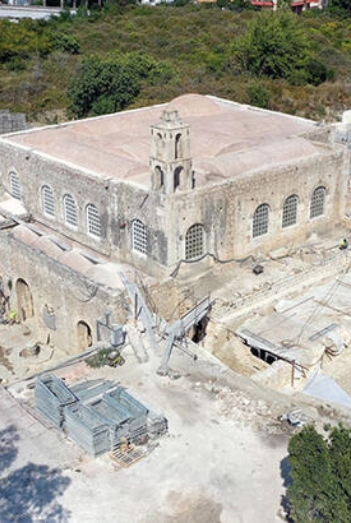
The Mevlevihane building in Kaleiçi, one of the most visited districts of Antalya, Türkiye’s tourism capital, dates to the Seljuk period. Although it has no inscription, it is thought to have been built by Sultan Alâeddin Keykubad in 1255 and to have been used as a Mevlevi lodge from the 16th century onwards. The museum is a complex comprising the Mevlevihane, a bathhouse and the tombs of Zincirkıran Mehmet Bey and Nigar Hatun. It displays information panels, reconstructions, clothing and various objects associated with the Mevlevi tradition.

Further information · muze.gov.tr

ANDRIAKE ARCHAEOLOGICAL SITE

26 · ANTALYA

ANDRIAKE ARCHAEOLOGICAL SITE

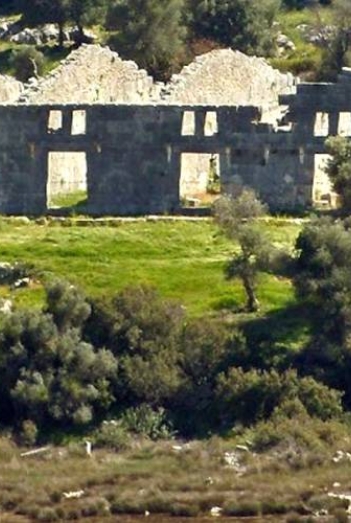
For a long time, it was debated whether the ruins in the Çayağzı area of ancient Myra, now called Demre, belonged to another city. Recent research has proved that this was the harbour district of Myra rather than an independent settlement. The Lycian region owed its wealth to ports and trade. After Phaselis and Patara, Andriake was the third most important port in the region. Fragments of foreign amphorae discovered in excavations provide evidence of the intensity of international trade in the harbour.

Further information · muze.gov.tr

LIMYRA ARCHAEOLOGICAL SITE

27 · ANTALYA

LIMYRA ARCHAEOLOGICAL SITE

The ancient city of Limyra, within the Saklısu neighbourhood of Antalya’s Finike district, encompasses the acropolis on the southern slopes of Mount Toçak, where early buildings stand, and the area immediately south of it, on the plain now separated by a road, within the walls of the Roman and Eastern Roman (Byzantine) periods.

Further information · muze.gov.tr

XANTHOS ARCHAEOLOGICAL SITE

28 · ANTALYA

XANTHOS ARCHAEOLOGICAL SITE

Xanthos is a city built on two hills overlooking the plain beside today’s Eşen River, mainly comprising the Lycian and Roman acropolises. The city remained independent until it came under Persian rule in 545–546 BC, and suffered a major fire between 475 and 450 BC. With buildings constructed by each civilisation that settled there, this centre sheds light on human history and was inscribed on the UNESCO World Heritage List in 1988.

Further information · muze.gov.tr

ANCIENT CITY OF TERMESSOS

29 · ANTALYA

ANCIENT CITY OF TERMESSOS

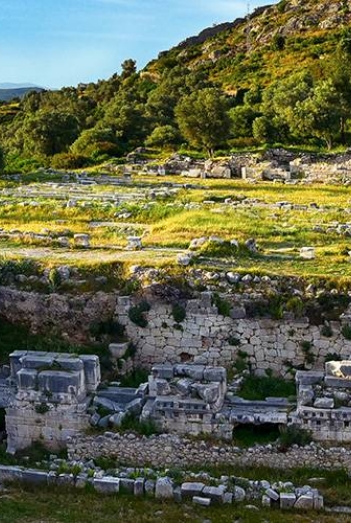
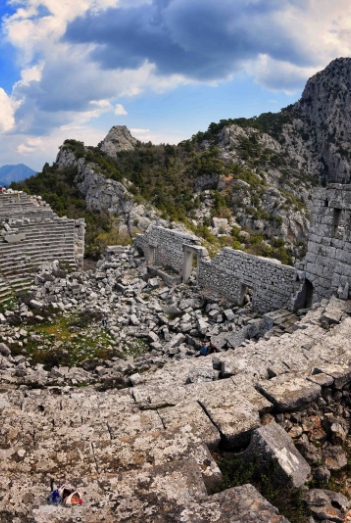
Termessos is an important ancient city in the southwestern part of Pisidia known as Milyas. It was founded by the Solymi, descendants of the Luwians, one of Anatolia’s oldest peoples. The city entered the historical record when Alexander the Great besieged it in 333 BC and the people of Termessos mounted a strong defence and refused to surrender.

Further information · muze.gov.tr

PLAN YOUR STAY

Your place is
already waiting.

Choose your dates and hotel to explore reservation options.

Call us0 850 300 9775
Güral Premier